Some exports are remembered not just for where they go, but for what they teach you along the way. Our first shipment to Cameroon was one of those — a successful delivery, a learning curve and the start of a new market for Cattle For Africa.
It started, as most exports do, with a list of animals, a set of requirements and a route that needed to be built carefully from the ground up. It was our first time working into Cameroon. And, it would also be the first time Jersey cattle would form part of a live cattle import into the country.
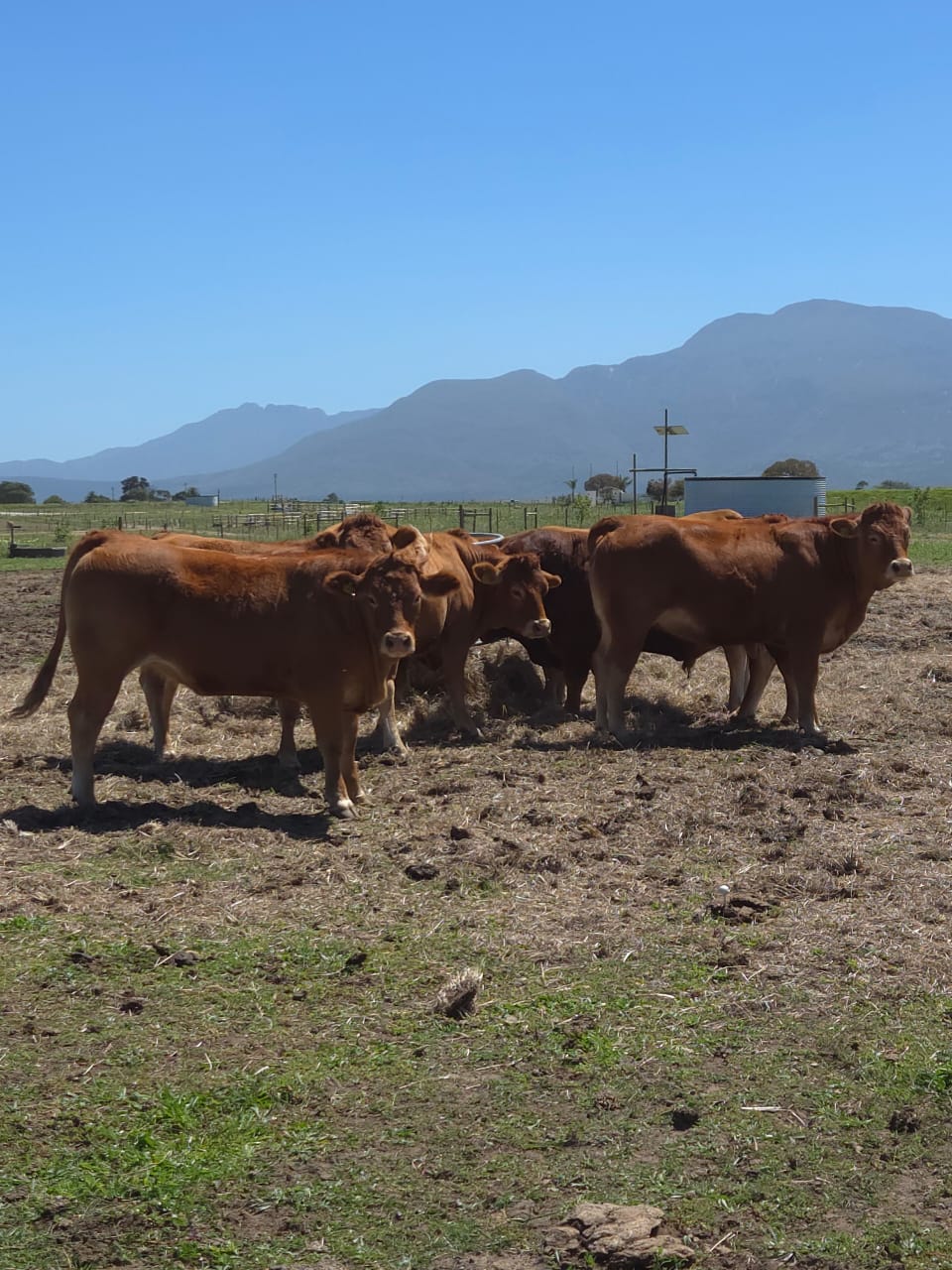
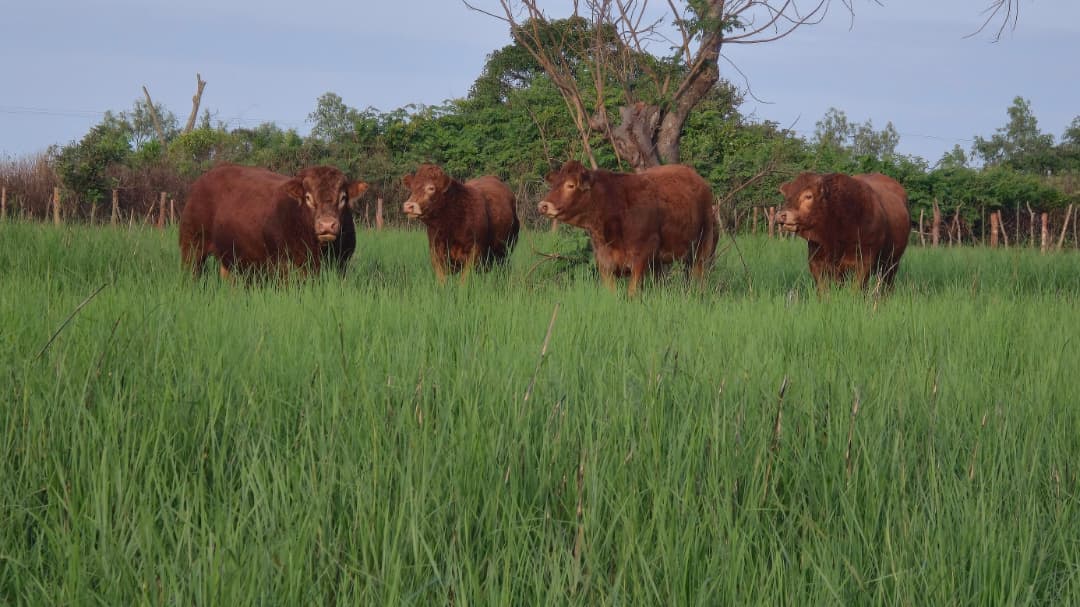
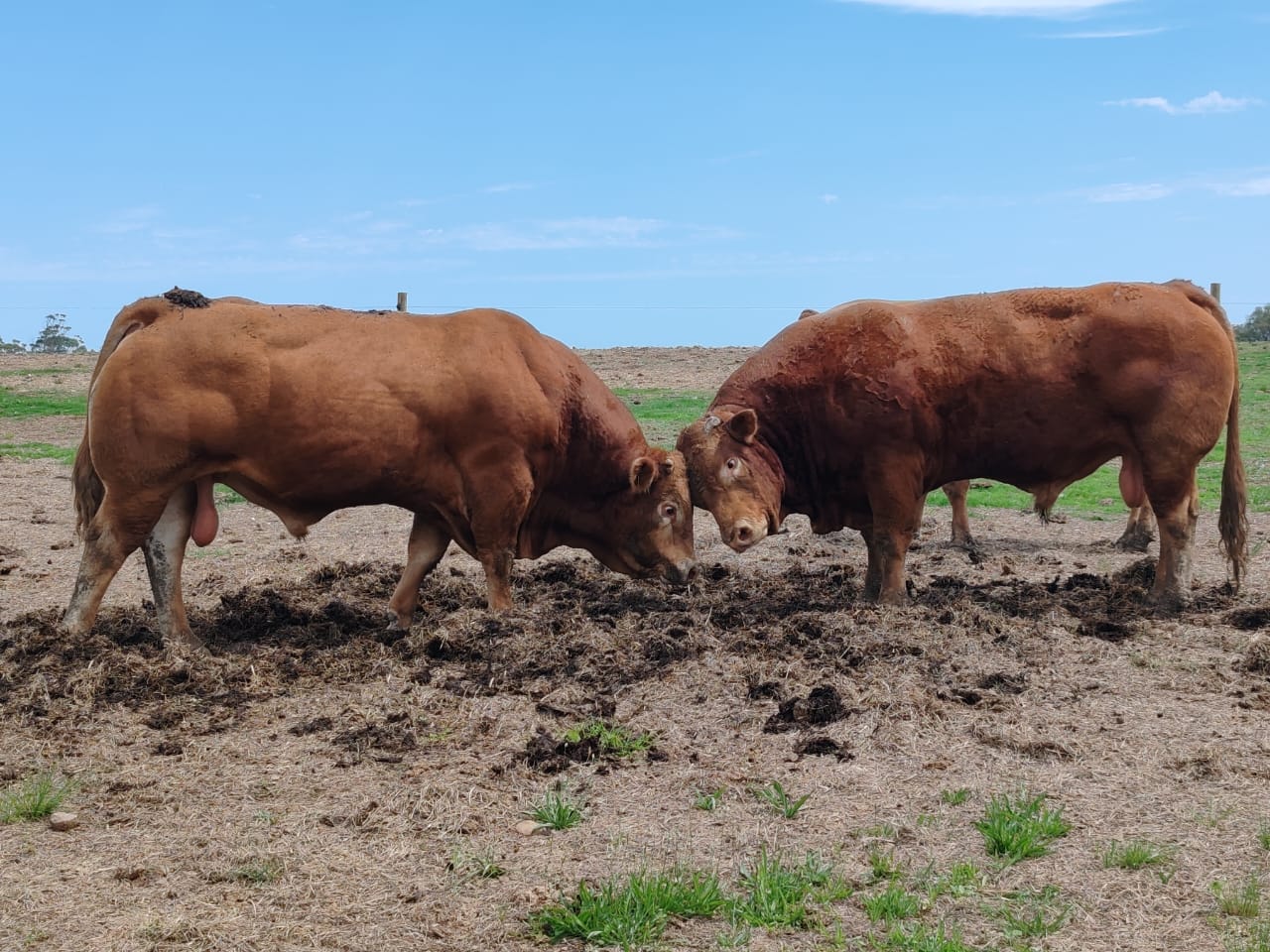
The cattle came from reputable breeders — strong herds in the Western Cape and Free State, where quality genetics are not just produced, but protected through years of selection. The final group of animals exported consisted of:
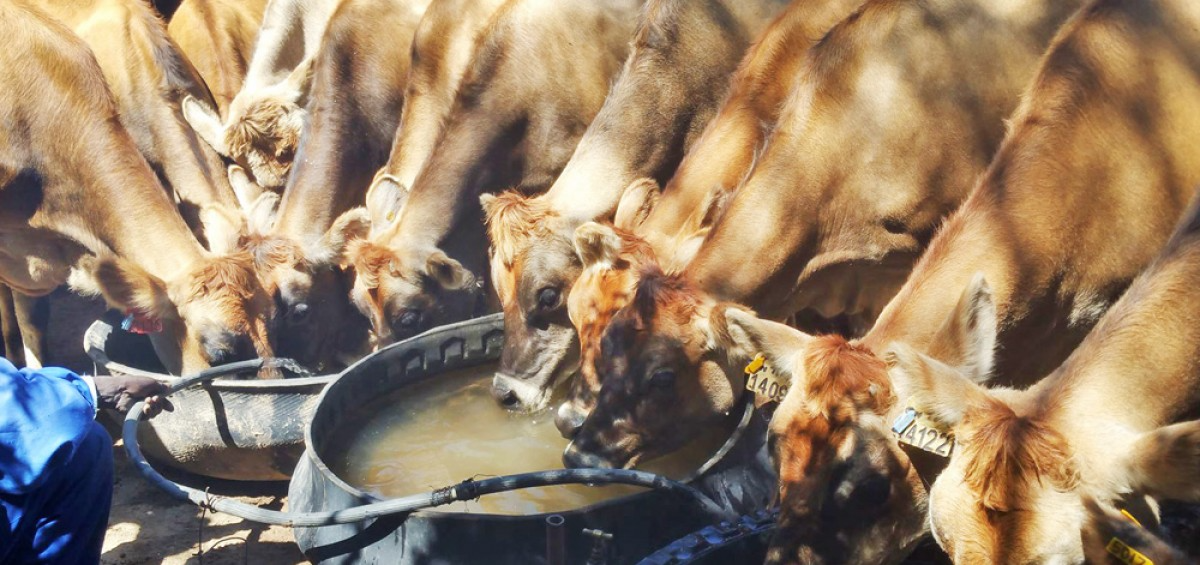
- Pregnant Jersey heifers and a Jersey bull
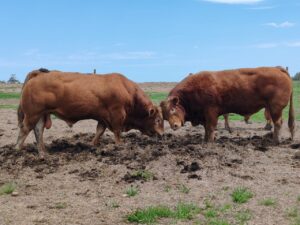
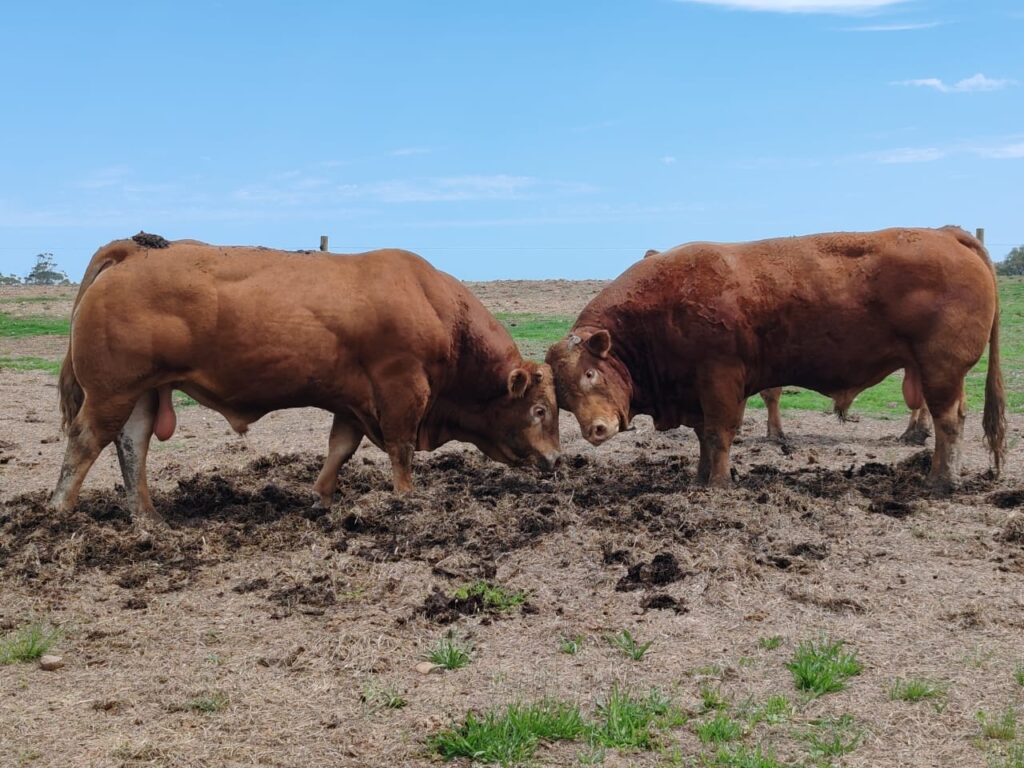
- Limousin bulls and heifers
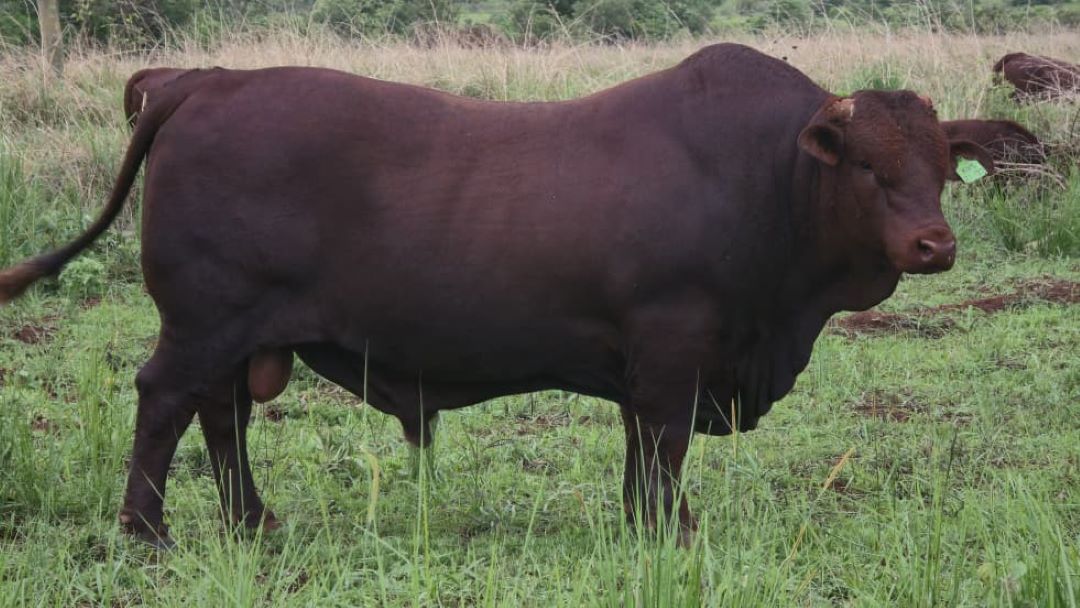
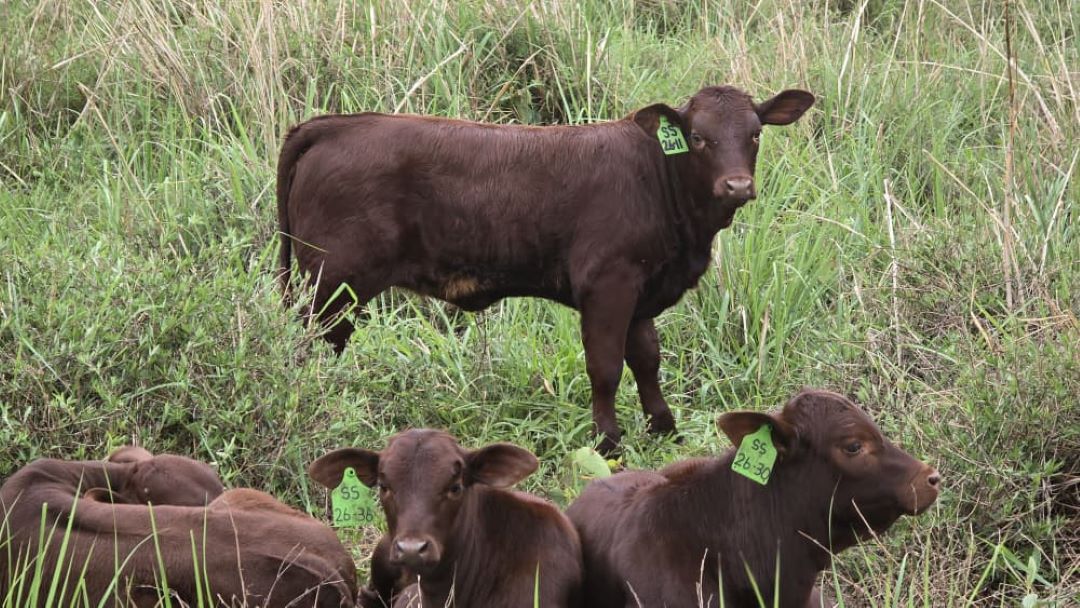
- Santa Gertrudis bull, females and calves
Different paths, same destination
No two exports ever follow the exact same route.
Because of FMD-related movement restrictions in South Africa at the time, we had to work within strict national controls. Some animals moved into our dedicated quarantine system, while others — particularly the Santa Gertrudis group — stayed at their herd of origin in Bloemfontein until the timing aligned for export.
It meant the project wasn’t running from one place, but from several. Different locations, different timelines, all converging into a single departure point.
The journey to Cameroon
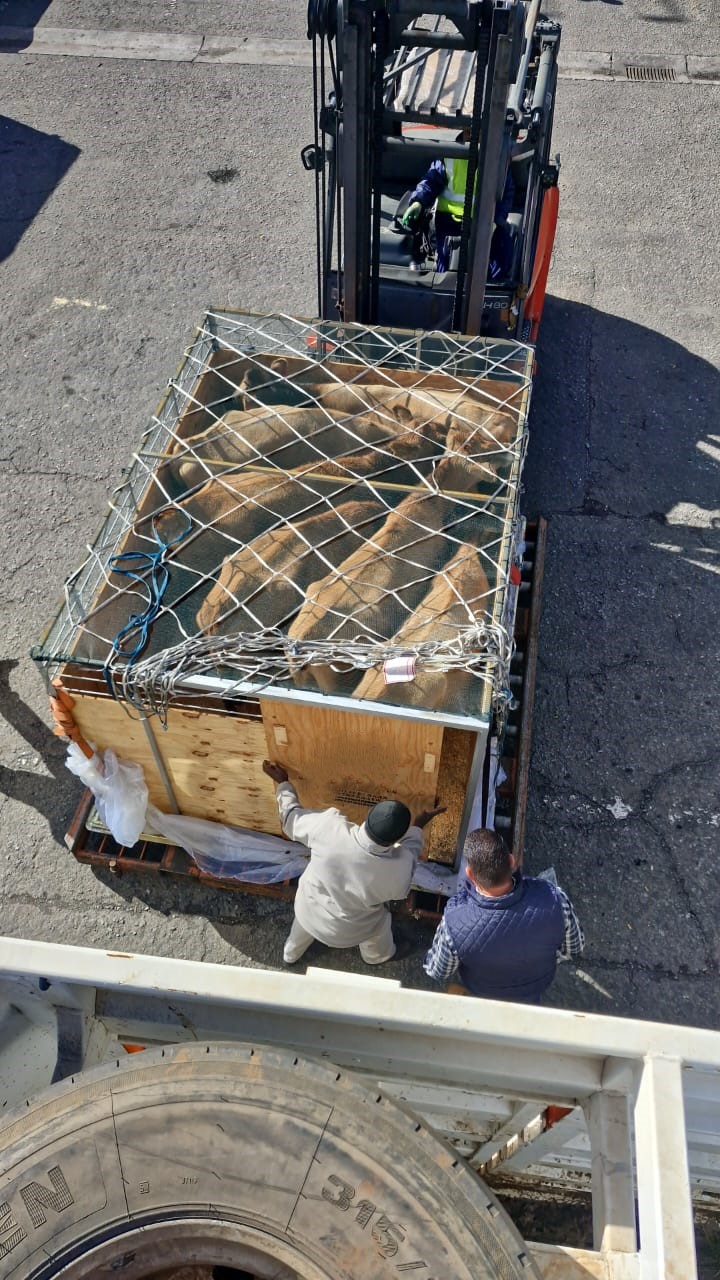
We were working within tight logistics constraints. Space was limited, with only two crates allowed per flight. And because only one airline services this route, there was no flexibility to simply switch options when timing became tight.
Halfway through the booking of the flights for the export, conditions changed again. Airfreight pricing shifted significantly due to external global factors and adjustments had to be made quickly to keep everything moving forward.
When everything was finally aligned, the cattle could finally begin their journey by road to Johannesburg for airfreight departure.
Then came a few unexpected technical flight delays — the kind that remind you that even the best planning still depends on systems you don’t control. Fortunately for us we work with experienced airfreighters who made sure that that the cattle were all doing well and were booked and departing on the next available flight as soon as possible.
Keeping everything steady
This is where experience matters most.
Plans shift. Flights move. Prices change. But the animals don’t stop needing care, attention and steady handling throughout.
Through it all, the focus stayed the same: keep everything calm, keep everything moving and make sure the cattle were looked after properly at every stage.
And despite the delays and adjustments, that’s exactly what happened.
Arrival in Cameroon
When the final update came through that all animals had arrived safely in Cameroon, there was a quiet sense of completion.
A new route had been successfully opened. We are very grateful to each person/team who played a role in getting the animals safely from South Africa to Cameroon.
What this export meant
Looking back, this shipment wasn’t just about delivering cattle.
It was about stepping into a new market for the first time. It was about working through real-world constraints – limited flight capacity, shifting freight conditions and multi-location coordination under movement control restrictions.
And it was about learning how Cameroon fits into the wider picture of livestock trade in Africa.
Because once you’ve done something for the first time, it stops being unknown. It becomes repeatable.
Looking forward
Cameroon is now part of our export map.
These first few shipments have already laid the groundwork for future cattle exports into the region, with better understanding, stronger planning and improved efficiency for what comes next.
This is only the beginning of what we expect will be an ongoing relationship with Cameroon and its livestock industry. We wish our clients all the best with their new additions.