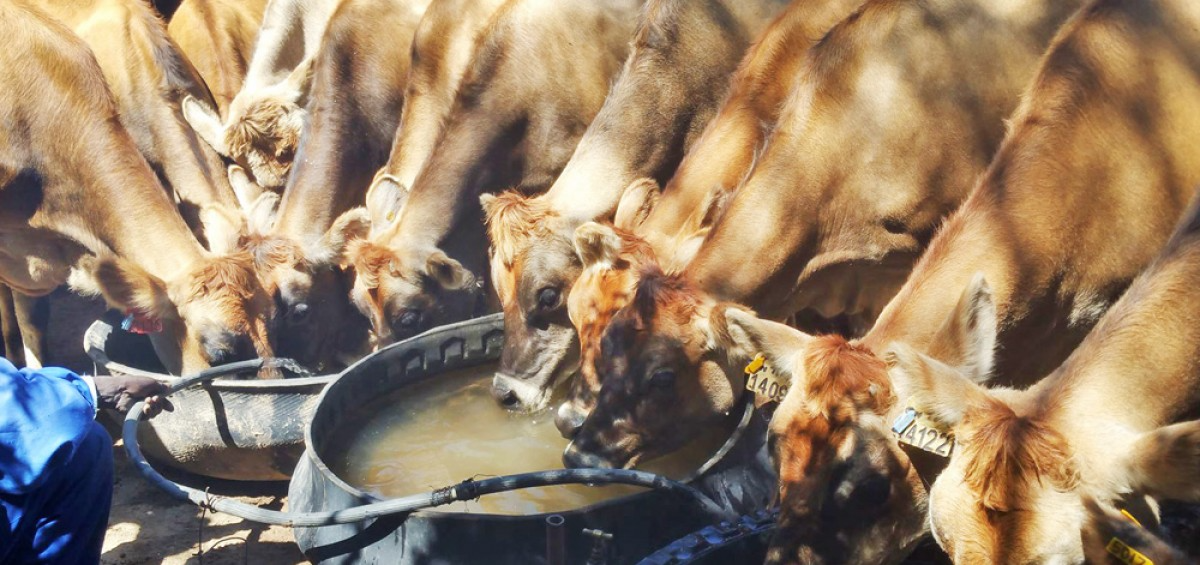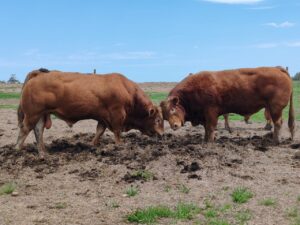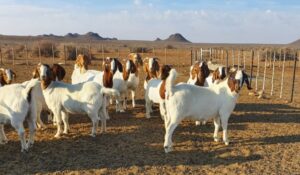
Livestock exports from South Africa are a regulated and often complex process that involves several crucial steps. To ensure the safe and legal transport of animals to another country, livestock exporters must adhere to a strict import protocol established by the destination country. Here’s a brief overview of the process:
- Import Protocol Compliance: The first and most critical step is to adhere to the import regulations and requirements of the destination country. These regulations often include specific blood tests, mandatory quarantine period, and any vaccinations that must be completed before they can leave South Africa. *Depending on the destination country, this may sometimes require some negotiation/dispensations with the relevant authorities in order to achieve an equivalent level of protection if there are any clauses that cannot be adhered to.
- Quarantine Period: In most cases, animals will undergo a quarantine period before departure. This is a precautionary measure to ensure that they are not carriers of any diseases. Proper care and monitoring during quarantine are essential to maintaining the animals’ health. Quarantine periods will also vary in length depending on the country you are exporting to.
- Import Permit: Clients wanting to import livestock must obtain an import permit from the relevant authorities in the destination country. This permit serves as official permission to bring the animals into the country and must be obtained well in advance of the export. Generally, most destination countries require the negative blood test results before they will issue the import permit.
- Veterinary Health Certificate: A crucial document is the veterinary health certificate, which is issued by the state veterinarian in the exporter’s area. This certificate confirms that the livestock are in good health and meet the export standards as laid out in the import protocol of the destination country. It is essential for ensuring the animals’ well-being during and after transportation.
- Disease Outbreak Considerations: Depending on the livestock’s province of origin in South Africa, some areas may have had outbreaks of diseases like Foot-and-Mouth Disease (FMD). Certain countries may refuse to issue import permits for livestock sourced from high-risk provinces, as they seek to protect their own livestock populations from potential contamination.
- Transportation Arrangements: Once all the necessary documents are in order, exporters must arrange transportation for the animals. The choice of transportation method (road, air, or sea) depends on factors like the quantity of animals and their final destination.
Livestock exports from South Africa is often a complex but necessary process to meet international trade demands. Livestock exporters must navigate these steps carefully, taking into account the specific regulations of the destination country and the health and safety of the animals. This ensures that the animals arrive at their new home in good health, facilitating a smoother international trade process and fostering good trade relationships with other countries.