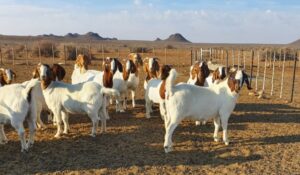
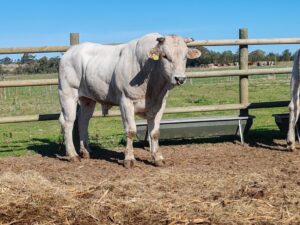
When it comes to building a robust and productive herd, genetics play a crucial role. Importing livestock from South Africa offers a unique opportunity to enhance the genetic pool of your herd. This can lead to improved productivity, resilience, and overall herd health.
Superior Genetics
South Africa is home to some of the world’s most advanced livestock breeding programs. The country’s focus on selective breeding has resulted in livestock that are genetically superior. Traits such as higher fertility rates, disease resistance, and efficient feed conversion are focused on. By importing these genetics, you can introduce these valuable traits into your herd, therefore leading to better yields and profitability.
Adaptability
Livestock bred in South Africa are accustomed to diverse and often challenging environmental conditions. This adaptability makes them well-suited for various climates and terrains. Whether your farm is in a tropical, arid, or temperate region, South African livestock can thrive thereby reducing the risk of loss and increasing the resilience of your herd.
Health and Biosecurity
Livestock export protocols are stringent, ensuring that only the healthiest animals can be imported. This means that you’re less likely to introduce diseases into your herd, protecting your investment and ensuring long-term herd health.
Improved Productivity
The superior genetics and adaptability of these animals often result in higher milk production, better growth rates, and more efficient reproduction cycles, therefore directly impacting your bottom line.
Diverse Breed Selection
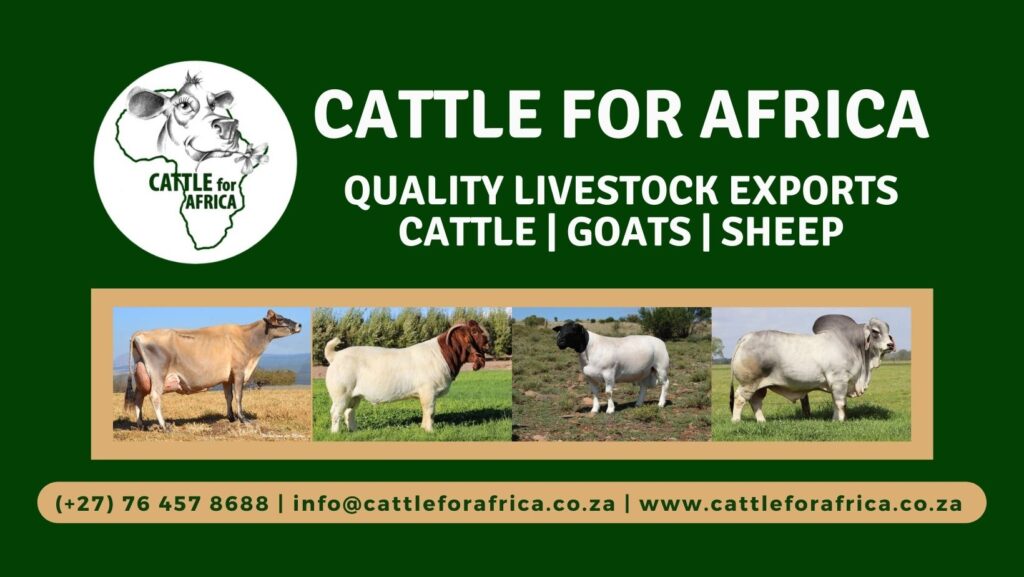
South Africa offers a wide range of livestock breeds, each with its unique strengths. Whether you’re looking to improve meat quality, milk production, or breeding stock, you’ll find a breed that meets your specific needs.
Importing livestock from South Africa is a strategic investment decision that can significantly improve your herd’s performance and profitability. By enhancing genetic diversity, improving adaptability, and ensuring herd health, you’re setting your farm up for long-term success.